Copper hides in more places than most people realise — from the kettle on your kitchen bench to the wiring behind your walls. The items with the highest copper content are electrical wiring and cables, plumbing pipes, air conditioners and refrigeration units, electric motors, transformers, and small household appliances such as kettles, toasters, and hair dryers. These items contain copper because of the metal’s unmatched electrical conductivity, corrosion resistance, and durability.
If you’re clearing out a Sydney home, renovating, or simply curious about what’s sitting in your garage, this guide breaks down exactly where copper is found, how much it’s worth, and how to turn it into cash responsibly.
Why Copper Turns Up in So Many Everyday Items
Copper is the third most recycled metal in the world, behind only iron and aluminium. Manufacturers rely on it because it conducts electricity better than almost any other affordable metal, resists corrosion, and can be melted down and reused indefinitely without losing quality. That’s why it appears in:
- Electrical systems (wiring, switchboards, appliances)
- Plumbing and roofing
- Heating, ventilation, and air conditioning (HVAC) systems
- Vehicles and renewable energy equipment
- Everyday electronics and small appliances
Because copper never really wears out, every scrap you recycle re-enters the supply chain instead of a landfill — which is exactly why copper recycling Sydney services have become essential for households and tradies alike. At Safari Copper Recycling, we make that process simple, transparent, and fast, so your copper never ends up going to waste.
Got copper scrap sitting around?
Safari Copper Recycling offers same-day free pickup and on-the-spot cash across Sydney. Call now to get a free quote.
Household Items That Contain the Most Copper
Here’s a quick-reference table before we go section by section — useful if you just want the short answer.
| Item Category | Common Examples | Copper Yield |
| Electrical wiring & cables | House wiring, extension cords, appliance cords | High |
| Plumbing pipes | Copper pipes, fittings, roofing gutters | High |
| Air conditioners & refrigeration | Split systems, fridges, freezers | Very High |
| Electric motors & transformers | Power tools, pumps, old transformers | Very High |
| Small kitchen appliances | Kettles, toasters, microwaves, blenders | Medium |
| Electronics (e-waste) | Computers, TVs, circuit boards | Low to Medium |
| Vehicles & EV components | Alternators, starter motors, EV batteries | High |
1. Electrical Wiring and Cables
Household wiring is the most common and accessible source of copper in any Sydney home. Every power point, light fitting, and appliance cord contains copper conductors wrapped in insulation. During renovations or demolitions, old wiring is often ripped out and binned — but it holds real recycling value.
Actionable tip: Strip the plastic insulation where safe to do so, since bare bright copper (clean, uncoated wire) fetches a noticeably higher price than insulated cable. If stripping isn’t practical, a dedicated copper wire recycling service can process it as-is, insulation and all.
2. Plumbing Pipes and Roofing
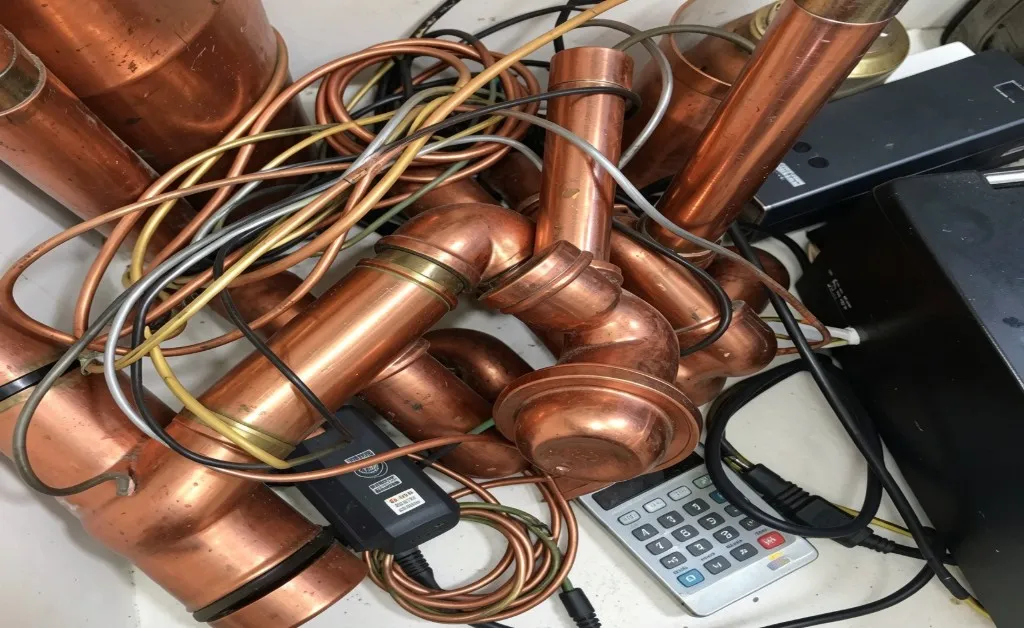
Older Sydney homes, particularly those built before the 1990s, often used copper piping throughout their plumbing systems. Copper is also found in guttering, downpipes, and flashing on some roofs. If you’re renovating a bathroom or kitchen, ask your plumber to set aside the old pipework rather than sending it to general waste — copper pipe recycling turns that offcut pile into cash rather than landfill.
3. Air Conditioners and Refrigeration Units
Split-system air conditioners, refrigerators, and freezers are genuine copper goldmines. Inside each unit sits copper tubing, coiled condenser wiring, and compressor windings. Because these appliances also contain refrigerant gas, they must be safely degassed before recycling — this isn’t a DIY job. An accredited air conditioner recycling service handles the degassing and copper extraction safely and legally.
4. Electric Motors, Pumps, and Transformers
Power tools, pool pumps, washing machine motors, and old transformers all rely on tightly wound copper coils to generate a magnetic field. These components typically deliver a very high copper yield relative to their size, but they’re also encased in steel housing, so dismantling takes patience and the right tools. An electric motor recycling service can take these off your hands whole, saving you the dismantling work entirely.
5. Small Kitchen and Household Appliances
Kettles, toasters, hair dryers, microwaves, and coffee machines all contain small amounts of copper wiring in their heating elements and motors. Individually they’re not worth much, but collected over time — or across a whole household clean-out — they add up to a decent payout.
6. Electronics and E-Waste
Old laptops, televisions, routers, and circuit boards contain trace amounts of copper in their internal wiring and connectors. The yield per device is low, but because most people accumulate a drawer full of dead electronics, batching them together for scrap is worthwhile — and keeps hazardous e-waste out of landfill.
7. Vehicles, Alternators, and EV Components
Cars and trucks use copper extensively in starter motors, alternators, radiators (often copper-aluminium composite), and wiring looms. Electric and hybrid vehicles use significantly more copper again, particularly in the drive motor and battery pack wiring, making end-of-life EV components an increasingly valuable recycling category as Sydney’s EV fleet grows.
Not sure if your scrap qualifies?
Send us a photo or call us . Safari Copper Recycling will give you an honest, on-the-spot valuation.
How Much Is Copper Worth in Australia?
Copper prices move with global commodity markets, so the exact rate changes week to week. That said, the grade of copper matters just as much as the weight:
Copper prices move with global commodity markets, so the exact rate changes week to week. That said, the grade of copper matters just as much as the weight:
| Copper Grade | Description | Typical Value |
| Bare Bright Copper | Clean, uncoated wire (highest grade) | Highest price per kg |
| No. 1 Copper | Clean pipe or wire, no solder or paint | High price per kg |
| No. 2 Copper | Copper with solder, tarnish, or coatings | Moderate price per kg |
| Insulated Copper Wire | Wire still covered in plastic sheathing | Lower price per kg, priced on copper content |
Because market rates shift daily, the most reliable way to know what your scrap is worth today is to call for a live quote rather than rely on outdated figures published online. Our team weighs and prices on-site so there’s no guesswork involved.
Is Australia Rich in Copper?
Yes — Australia holds some of the largest copper reserves in the world and is a major global producer, largely thanks to deposits in South Australia and Queensland. That national copper wealth is one reason the domestic recycling market stays active: recycled copper supplements mined supply, reduces the energy cost of new production, and keeps manufacturing costs more stable. For Sydney residents, this means there’s consistent, genuine demand for the scrap copper sitting in your shed.
How to Identify Copper at Home: Quick Checks
Not sure if what you’re holding is actually copper? Try these simple checks:
- Colour test: Genuine copper has a distinctive reddish-orange sheen, even when tarnished or slightly green (oxidised).
- Magnet test: Copper is non-magnetic. If a magnet sticks, you’re likely holding a copper-plated steel item instead.
- Weight test: Copper is notably heavy for its size compared to aluminium.
- Scratch test: A light scratch reveals the same reddish colour underneath any tarnish or coating.
If you’re still unsure, our team can identify and grade your scrap metal on-site — no charge, no obligation.
Safety Notes Before You Start Scrapping
- Never attempt to remove refrigerant gas from air conditioners or fridges yourself — this requires a licensed technician.
- Always disconnect appliances from power before dismantling.
- Wear gloves and eye protection when stripping wire or cutting pipe.
- If you’re clearing a demolition or renovation site, check with your builder about ownership of scrap materials first.
Why Sydney Residents Choose Safari Copper Recycling
As a leading copper and scrap metal recycler in Sydney, Safari Copper Recycling has built its reputation on straightforward, transparent service for households, tradies, and businesses.
- On-site scrap weighing for accurate, transparent pricing
- On-the-spot payment, so there’s no waiting around
- Same-day free pickup across Sydney for larger loads
- Fully licensed and insured, Australian owned and operated
Whether you’re clearing out a single kettle or a garage full of old wiring, plumbing offcuts, and dead appliances, our team handles it all — including brass recycling and general scrap metal recycling if your clean-out turns up more than just copper.
Ready to turn scrap into cash?
Book your free pickup with Safari Copper Recycling
FAQs
What common items contain copper?
Household wiring, plumbing pipes, air conditioners, refrigerators, electric motors, kettles, toasters, and old electronics all contain copper. Wiring and plumbing typically hold the highest yields for an average household clean-out.
How much is 1kg of copper worth in Australia?
Copper prices fluctuate daily with global commodity markets, and the value also depends on grade — clean bare bright copper is worth significantly more than tarnished or insulated wire. The best way to get an accurate figure is to call for a current, on-the-spot quote.
What household items contain a lot of copper?
Air conditioners, refrigerators, and old plumbing pipework generally contain the largest amounts of copper by weight in a typical home. Electric motors from pumps, power tools, and appliances also carry a high copper yield relative to their size.
Is Australia rich in copper?
Yes, Australia has substantial copper reserves and ranks among the world’s larger copper-producing nations, which supports a strong domestic market for both mined and recycled copper.
Can I recycle copper mixed with other metals?
Yes, but separating copper from brass, aluminium, and steel before drop-off or pickup usually gets you a better price, since clean, sorted loads are easier to grade and process.
Do I need to clean copper wire before recycling it?
No, insulated wire can still be recycled as-is. However, stripped bare bright copper commands a higher price per kilogram, so it’s worth the extra effort if you have the time and tools.
Copper is quietly one of the most valuable materials sitting in Sydney homes, garages, and job sites — most people just don’t realise how much of it surrounds them daily. From household wiring and old plumbing to air conditioners and small appliances, identifying and recycling copper is both good for your wallet and good for the environment.
If you’ve found copper scrap around your property, don’t let it sit around collecting dust. Safari Copper Recycling makes the process simple with free pickup, honest on-site weighing, and instant payment across Sydney. Get in touch today or call 0414 014 020 to find out what your scrap copper is really worth.