Yes, Sydney electricians can turn job-site copper offcuts, old wiring, and replaced switchboards into genuine extra income — copper scrap is currently trading at some of its highest prices in years, and most of what ends up in a job-site skip bin is worth real money if it’s collected and sold properly. This guide covers exactly what counts as sellable copper on an electrical job, how to store and sort it for maximum value, and how to turn routine site waste into a consistent side income.
Why This Matters More Than Ever Right Now
Copper is one of the most valuable materials an electrician handles daily, yet it’s also one of the most commonly thrown away without a second thought. Offcuts from cable runs, old wiring pulled during rewires, decommissioned switchboards, and motor windings from replaced equipment all contain recoverable copper — and with copper prices elevated in 2026 due to strong demand from renewables, EV manufacturing, and data centre infrastructure, that scrap is worth more than most tradies realise.
For a busy electrician or a small electrical contracting business, this isn’t a side hustle that requires extra time — it’s about redirecting material that’s already being generated on every job toward cash instead of the bin.
Ready to see what your job-site copper is worth?
Get a free quote from Safari Copper Recycling.
Who Owns the Copper? Check Before You Collect
Before turning job-site offcuts into income, it’s worth being clear on one thing: not all scrap copper on a job automatically belongs to the electrician doing the work.
Ownership generally comes down to your working arrangement:
- Employed electricians — materials and offcuts on a job typically belong to your employer, not you personally, unless your employer has a clear policy allowing staff to keep and sell scrap.
- Sole traders and subcontractors working for a client — offcuts, old wiring, and decommissioned components removed during a job may belong to the property owner or head contractor, unless your contract or agreement states that scrap becomes yours to keep.
- Commercial and demolition sites — larger jobs often have specific waste and scrap-handling terms, sometimes with scrap value already factored into the overall contract price.
This isn’t meant to complicate what is, in practice, a straightforward and common arrangement for many tradies — plenty of electricians do have a clear understanding or contract clause that lets them keep and sell job-site scrap. The point is simply not to assume it, particularly on client jobs or as an employee.
A simple habit worth adopting: confirm scrap ownership with your employer or client before or during the job, ideally in writing for larger commercial work. This protects you, avoids any dispute down the track, and is standard, professional practice rather than an unusual request.
Once that’s settled, the practical side of collecting and selling copper scrap is genuinely simple — and that’s what the rest of this guide covers.
What Counts as Sellable Copper on an Electrical Job?
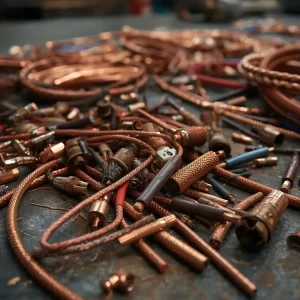
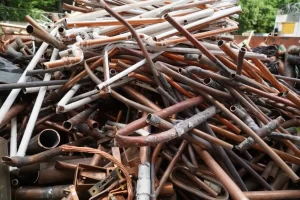
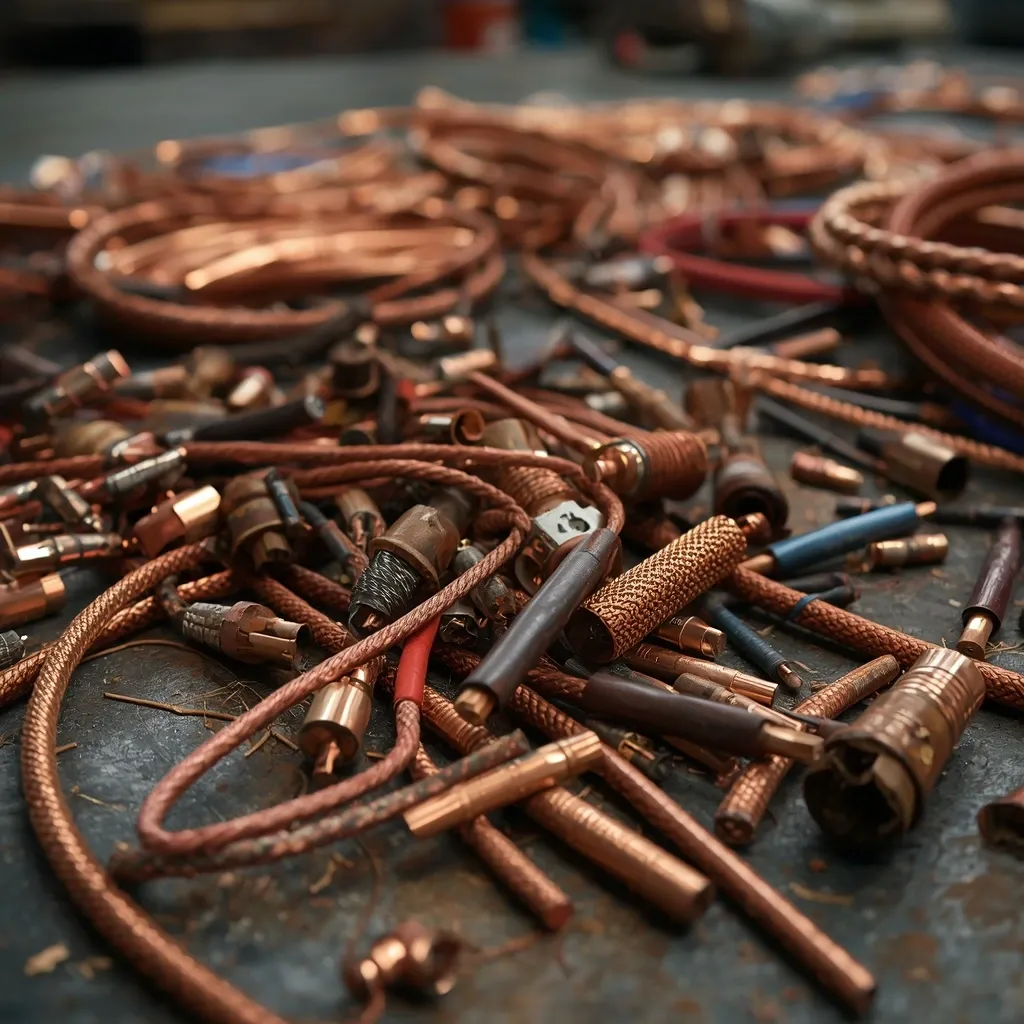
Most electricians generate more scrap copper than they think. Common sources include:
- Cable offcuts — leftover lengths from cable runs on new installs or rewires
- Old wiring — removed during switchboard upgrades, rewires, or fault repairs
- Decommissioned switchboards and components — copper busbars, terminals, and internal wiring
- Motor windings — from replaced pumps, fans, or industrial motors
- Redundant conduit and cable trays (where copper-containing components are attached)
- Air conditioning and refrigeration copper — pipework and coils removed during HVAC servicing or replacement
If it’s copper wire, copper pipe, or a component containing significant copper content, it almost always has resale value — even in small quantities that add up over multiple jobs.
Understanding Copper Grades (And Why Sorting Matters)
Not all copper is priced the same. The cleaner and more separated your copper is, the more you’ll get per kilogram.
| Copper Type | What It Looks Like | Relative Value |
| Bare Bright Copper | Clean, shiny, uncoated cable strands | Highest |
| No.1 Copper | Slightly tarnished, high purity | High |
| No.2 Copper | Painted or slightly mixed copper | Medium |
| Insulated Copper Wire | Plastic-coated wiring, not stripped | Lower |
| Mixed Copper Scrap | Combined with other contaminants | Variable |
For tradies, the practical takeaway is simple: bare, unmixed copper always pays more than insulated or mixed scrap. A pile of stripped bare bright copper from cable offcuts can be worth two to three times more per kilogram than the same weight of insulated wire.
How to Set Up a Simple On-Site Collection System
You don’t need a complicated process to start capturing this value. Most successful tradies use a system like this:Step 1: Keep a Dedicated Copper Bin or Bag in the Van
A single labelled container in the van or ute tray means copper offcuts go into it by default, rather than into general waste at the end of a job.
Step 2: Separate Bare Copper From Insulated Wire
Even a rough split — bare wire in one container, insulated wire in another — noticeably improves your average payout, since mixed loads are priced at the lower end.
Step 3: Store Switchboard and Motor Components Separately
These often contain a mix of copper, brass, and other metals. Keeping them separate from cable scrap makes them easier to value accurately when you drop them off.
Step 4: Consolidate Before Selling
Rather than making small trips after every job, most tradies find it more efficient to consolidate scrap from several jobs and sell in bulk — which often comes with better per-kilogram pricing and priority pickup.
Turn your accumulated job-site copper into cash
Safari Copper Recycling offers fast, transparent weighing and same-day payment for tradies across Sydney.
Should You Strip Insulated Wire Yourself?
This is one of the most common questions electricians ask, and the honest answer depends on volume and time.
Stripping insulation can increase value by 2–3x, since bare copper is worth significantly more than insulated wire. But stripping takes time, and time has a cost too.
Stripping is usually worth it when:
- You have a large volume of offcuts accumulated over time
- You have downtime between jobs or an apprentice who can do it
- The wire gauge is thick enough to strip efficiently
Stripping is usually not worth it when:
- You only have small, occasional amounts
- Your time is better spent on billable work
- The wire is thin gauge and slow to strip by hand
For most working electricians, a practical middle ground is to strip larger offcuts when there’s genuine downtime, and sell smaller or thinner wire as insulated scrap without spending billable hours on it.
Building This Into a Regular Income Stream
For a solo electrician or small contracting business, job-site copper scrap can realistically add up to a meaningful secondary income over a year, particularly for those doing frequent rewires, switchboard upgrades, or commercial fit-outs where cable volumes are higher.
A few practical habits make this sustainable long-term:
- Make copper collection a standard part of job cleanup, the same way you’d pack away tools — not an afterthought
- Track approximate weights over time so you know roughly what to expect from different job types
- Build a relationship with one trusted recycler rather than shopping around every time — consistency often leads to better ongoing rates and faster service
- Keep switchboards, motors, and cable separate at the point of removal, not sorted later, to save time
Compliance and Documentation
For contractors and small businesses, it’s worth keeping simple records of scrap metal sales, particularly for larger volumes. A reputable recycler will provide transparent weighing and clear documentation of what was sold and at what rate, which is useful both for your own record-keeping and for demonstrating that materials were disposed of and recycled responsibly — increasingly relevant for commercial clients with sustainability reporting requirements.
FAQs
Is it worth collecting copper scrap from small residential jobs?
Yes, in aggregate. While a single small job might only yield a modest amount, consistently collecting offcuts across all jobs adds up to meaningful value over weeks and months.
Do I need to strip insulated wire before selling it?
No. Insulated wire can be sold as-is, though bare, stripped copper generally earns a higher price per kilogram.
Can I sell copper from switchboards and old motors, or just cable?
Yes. Switchboard components and motor windings both contain recoverable copper and can be sold alongside cable offcuts, ideally kept separate for accurate valuation.
How often should I sell my accumulated copper scrap?
This depends on volume and storage space, but many tradies find consolidating scrap from multiple jobs before selling results in better pricing and more efficient pickups than frequent small drop-offs.
Does copper price fluctuate enough to matter for timing sales?
Prices do move with global market conditions, but for most tradies, consistency in collecting and selling regularly matters more than trying to time the market perfectly.
Do I need a business account to sell scrap copper as a contractor?
Not necessarily — many recyclers, including Safari Copper Recycling, work with both individual tradies and registered businesses, though larger regular volumes may benefit from an ongoing account arrangement.
Ready to turn your job-site copper scrap into consistent extra income?
Get a free quote from Safari Copper Recycling